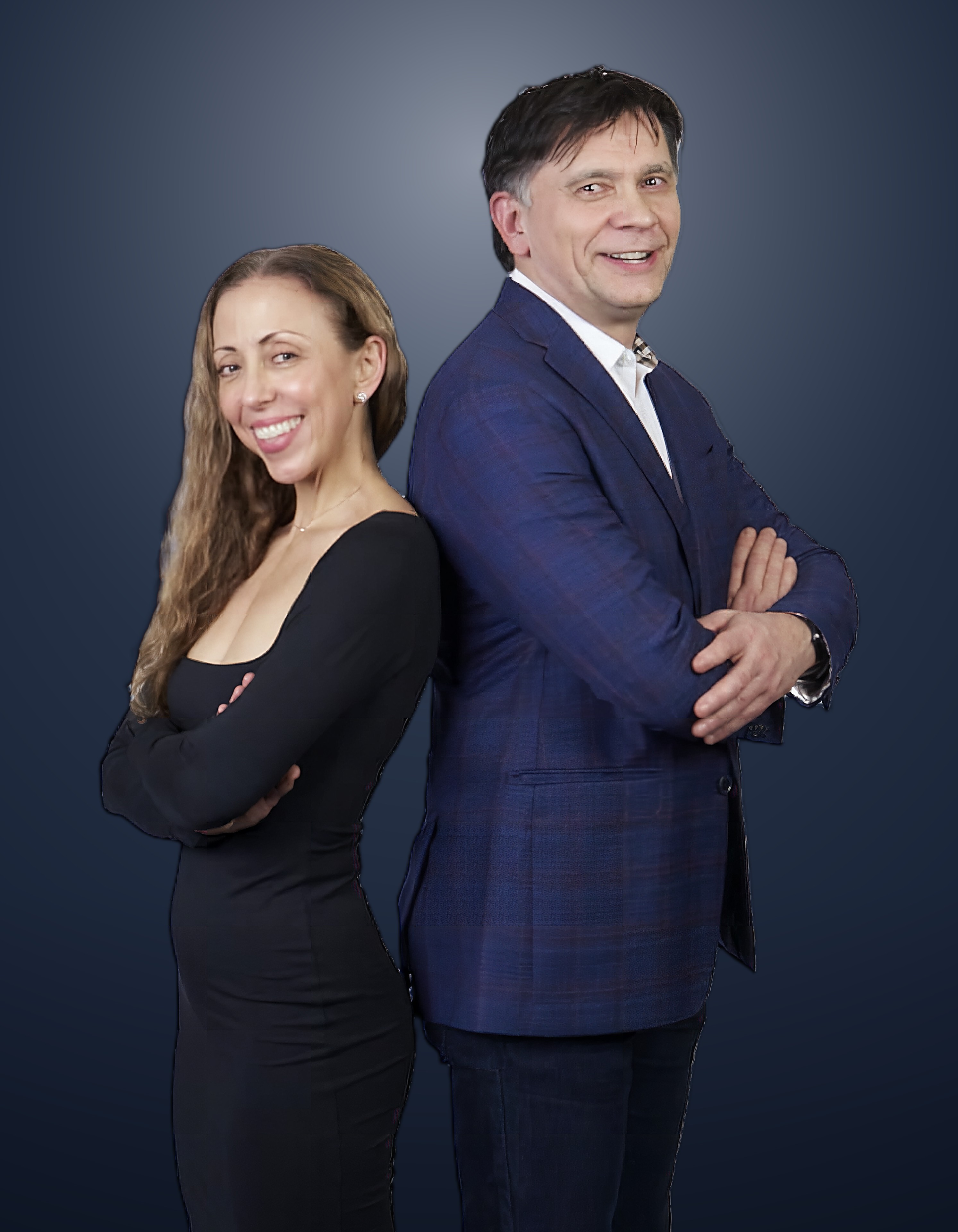
Read in pieces
One chart with your physician, another with your dentist, a third in your sleep study. Several specialists, and no map.

Most people get read in pieces. The creator of Glossodontics® and an eye surgeon built Aligness to read you as one picture, in one room.
Precision. Oxygen. Longevity.
One makes the hidden airway visible. One reads the whole pattern, down to what the eyes show. They read your picture themselves, side by side.
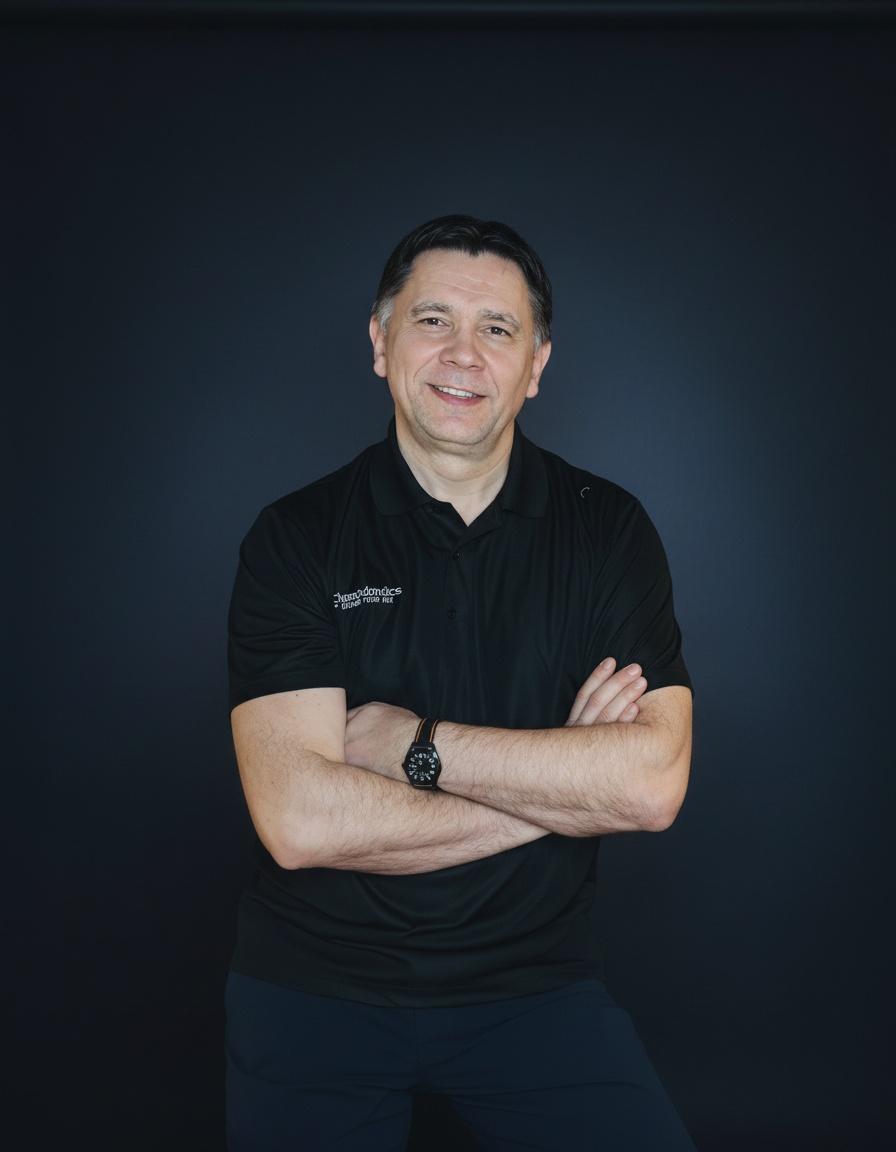
He reads the structural picture almost no one else can see: the jaw, the tongue, and the airway that narrows at night. He created Glossodontics® to redevelop the airway rather than work around it. Sleep apnea diagnosis stays with sleep medicine, and he refers for it.
In his own words
After a lecture we presented at a conference, Heather and I went to dinner at a nearby restaurant. At the table next to us were two men, and the way these things sometimes happen, we struck up a conversation. We told them what we do — that Heather is an eye surgeon and I’m a dentist, but that neither of us practices the way most people expect. We’re not just focused on the organ in front of us. We try to understand the whole person, the whole body, and what’s really driving what we’re seeing.
Both men stopped eating. They wanted to hear more — not just because of their health, but because the way we described our approach seemed to speak to something larger for them. They told us they were rebuilding their lives after recent incarceration. What we were describing — looking at the whole picture, not just the immediate problem, making better choices from the inside out — resonated with exactly where they were trying to go.
Heather and I talked about it the next day, the way we always had. We’d known each other for years, two surgeons working opposite ends of the same airway, always comparing notes. What that dinner reminded us was something we already believed but hadn’t yet built: that the work we do is bigger than the chair or the surgical suite. People don’t just need their eyes fixed or their airway opened. They need someone who sees them whole.
I created Glossodontics® because I needed a method. I built Aligness with Dr. Skeens because I needed a partner who could see the rest of the picture I couldn’t. The goal has always been bigger than either of us — a standard other physicians might one day share. Aligness is that room. It’s also the beginning of something we intend to leave behind.
Credentials & background
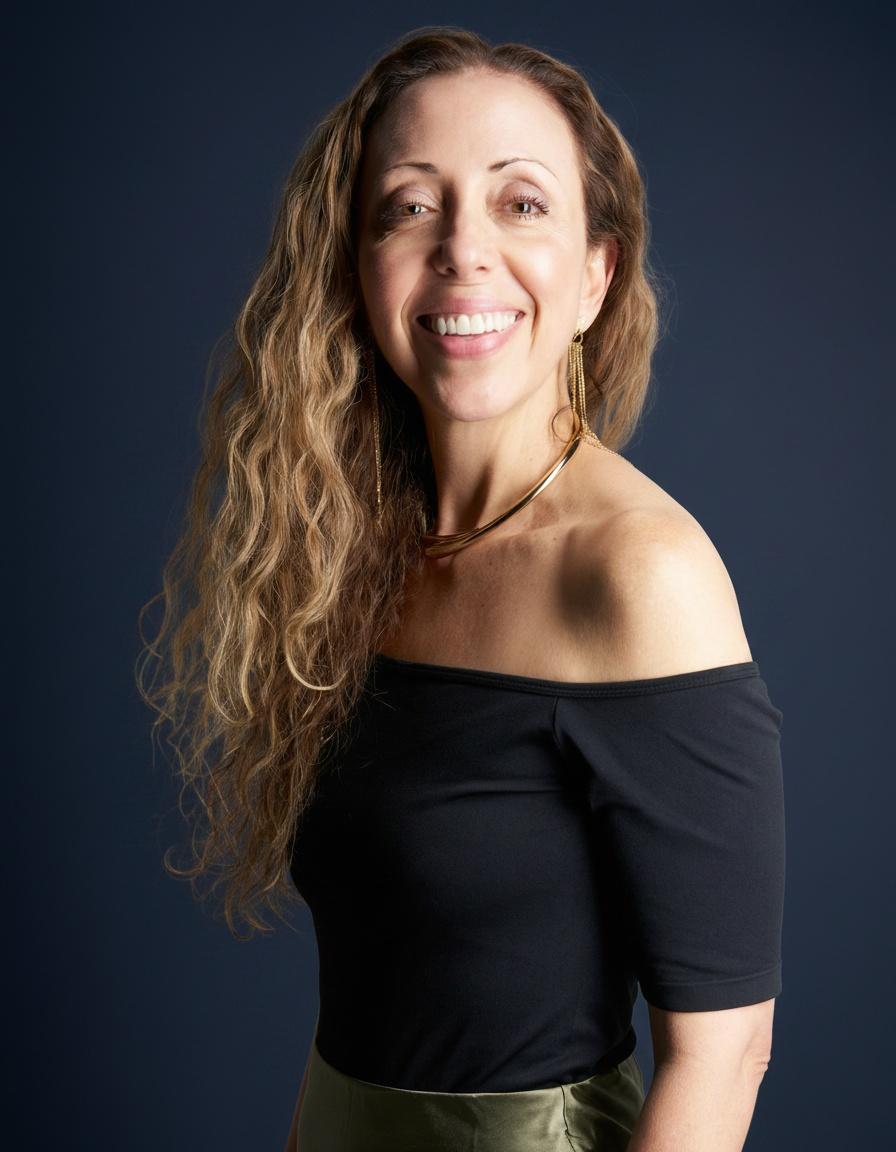
A cornea, cataract, and refractive eye surgeon who moved into functional, whole-body medicine. She reads labs, symptoms, sleep, and history as one connected pattern, and reads what the eyes reveal about the body that carries them. The eye is held as a single non-diagnostic, integrative input, never alone.
In her own words
The dinner Vladimir describes is the moment I come back to when someone asks why we built this. Two men at the next table, and a conversation that started simply — we’re doctors, but not the kind who only look at one thing. We help people understand the whole picture. Their whole body. What’s actually behind what they’re feeling.
What struck me was how immediately that landed for them. Not because they had a specific diagnosis or a symptom they needed answered, but because the idea that someone could look at them whole — and help them make better choices from there — meant something real to two men trying to rebuild their lives. That’s what our work had always been about. We just hadn’t said it that plainly before.
I’m an eye surgeon, but I’ve never believed the eye exists in isolation. What I see in a patient’s eyes, their history, their labs, their sleep, their stress — it’s one picture. For years Vladimir and I had talked about what it would mean to read that picture together, in one room, without losing the thread between specialists. Aligness is the answer to that conversation. And it started over dinner with two men who reminded us why the work matters.
Credentials & background
Modern medicine is built in silos. Each specialist is excellent inside their box, and almost no one is scheduled to read across them. Aligness closes that gap, holding the whole pattern on one table.
Same people, same gap between two offices. So they closed it, holding the whole story so you do not have to.
One chart with your physician, another with your dentist, a third in your sleep study. Several specialists, and no map.
The creator of Glossodontics® and an eye surgeon read the same person at once. Airway, oxygen, and what the eyes reveal on one table, so nothing gets lost between offices.
One picture, one view of where to look next. You leave with the one move worth making, or an honest referral if Aligness is the wrong room.
Procedures don't heal patients. Physiology does.
An airway that narrows at night limits the oxygen the body runs on, and an eye surgeon reads what that body reveals. Two lenses on one person, converging on one question: is this system getting what it needs?
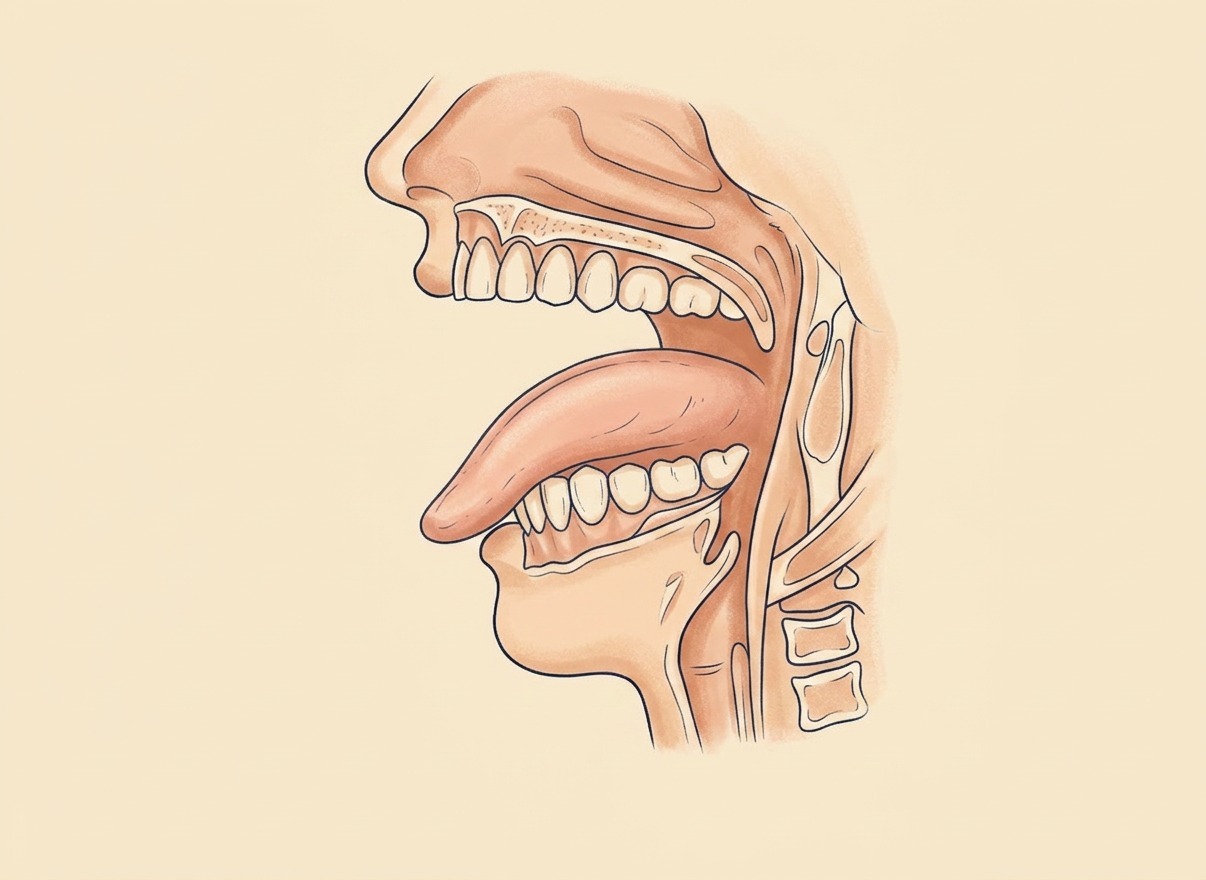
Cone-beam CT shows where the airway narrows and how much oxygen the night is losing.
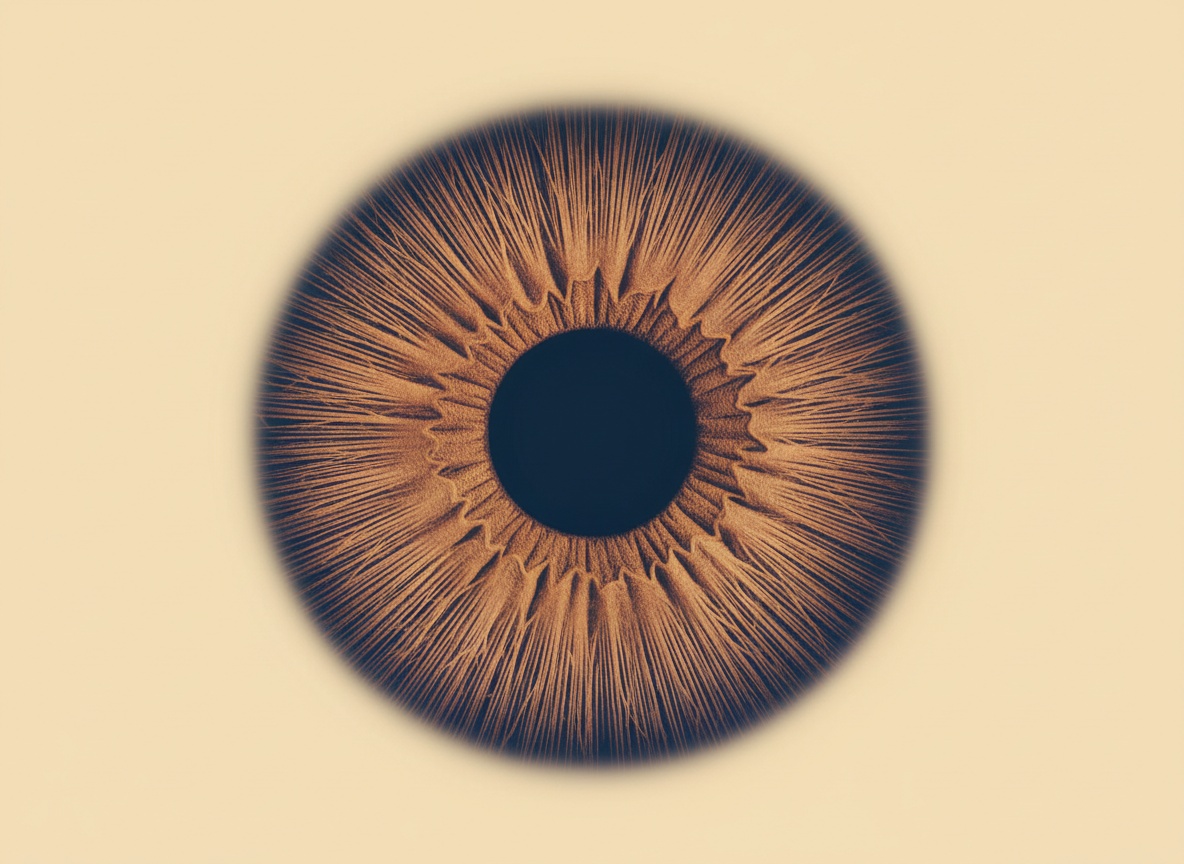
An eye surgeon reads the eye as one integrative signal of whole-body health, never alone.
The Aligness model has been shared with clinicians at airway conferences, and other doctors now route their own people in.
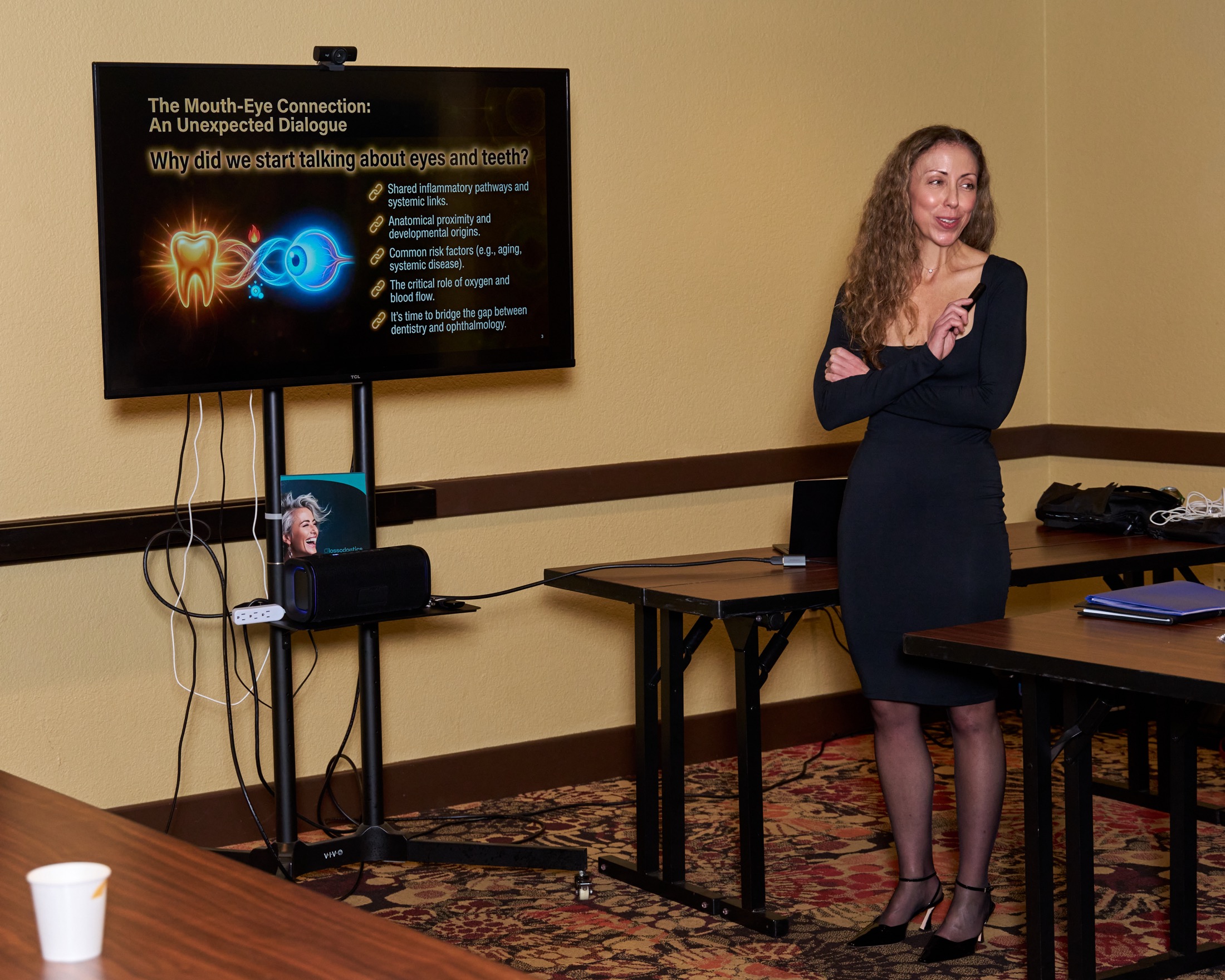 Taught to clinicians
The whole-picture model is shared with rooms of practicing clinicians at airway conferences, not behind marketing language.
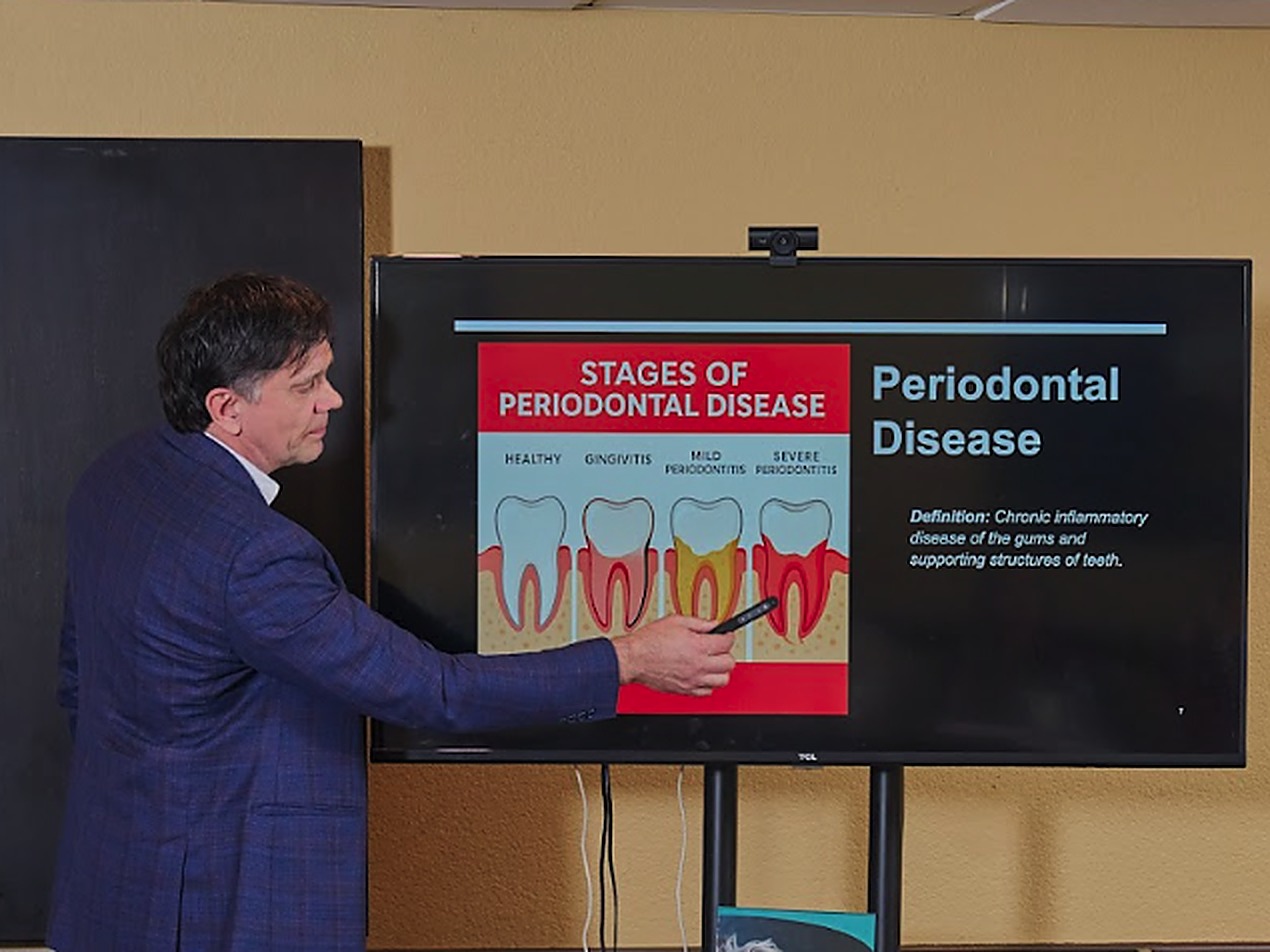 With the imaging to back it
The airway work, put in front of people who do this for a living, with the measured imaging to back it.
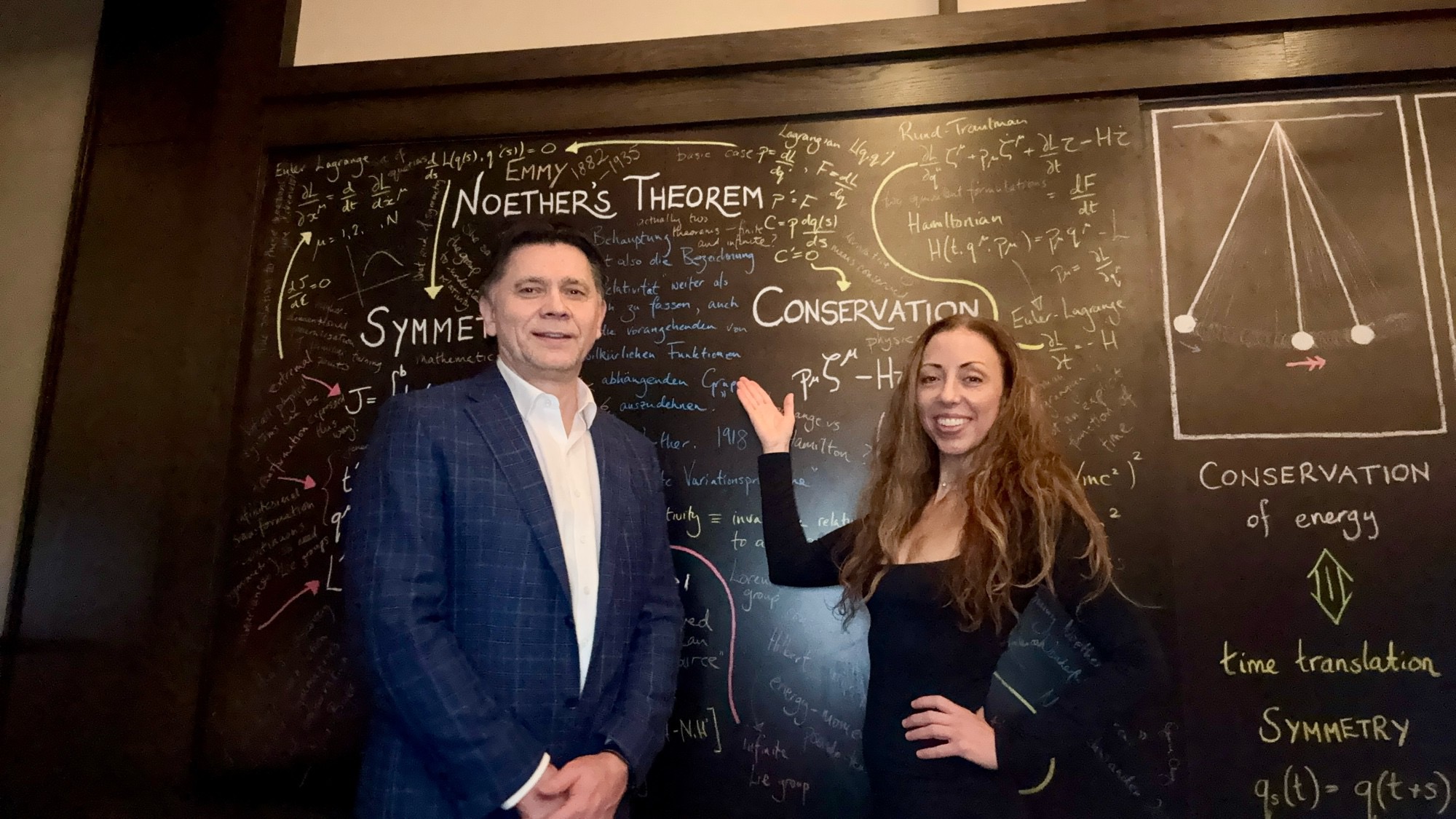 A peer refers in
A practicing physician began sending their own patients, and travels in to be seen personally. Kept anonymous out of respect for privacy.
Both doctors in the room. One clear next step worth taking, written for you. Private and by application, because doing it properly takes both of their time. If you are better served elsewhere, they will tell you honestly and point you the right way.