Glossodontics®, by the doctor who created it

Release the tongue. Then redevelop the whole airway.

Glossodontics® is the method Dr. Vladimir Pastouk created and has presented to other doctors. It releases the tongue so the airway, jaw, and face can redevelop, and you breathe through your nose again.
Precision.Oxygen.Longevity.
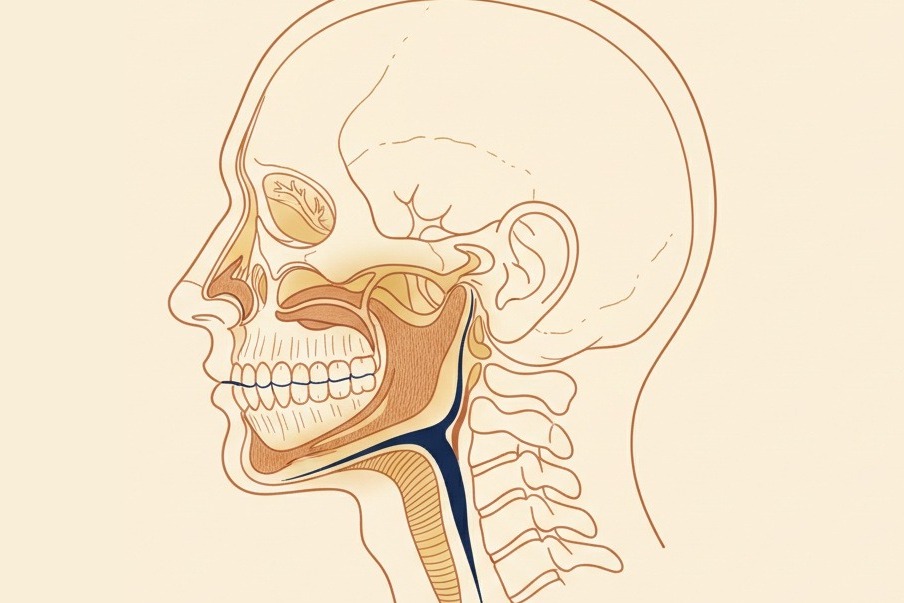
Editorial anatomy illustration of the head, jaw, and airway in profile
One channel, built by your structure The jaw, tongue, palate, and the space behind decide how you breathe at night.
If you have said one of these

Still tired after CPAP.

“Still tired after CPAP.” “My labs are normal but I still feel terrible.” If you have lived one of those, the airway is the part almost no one has looked at.
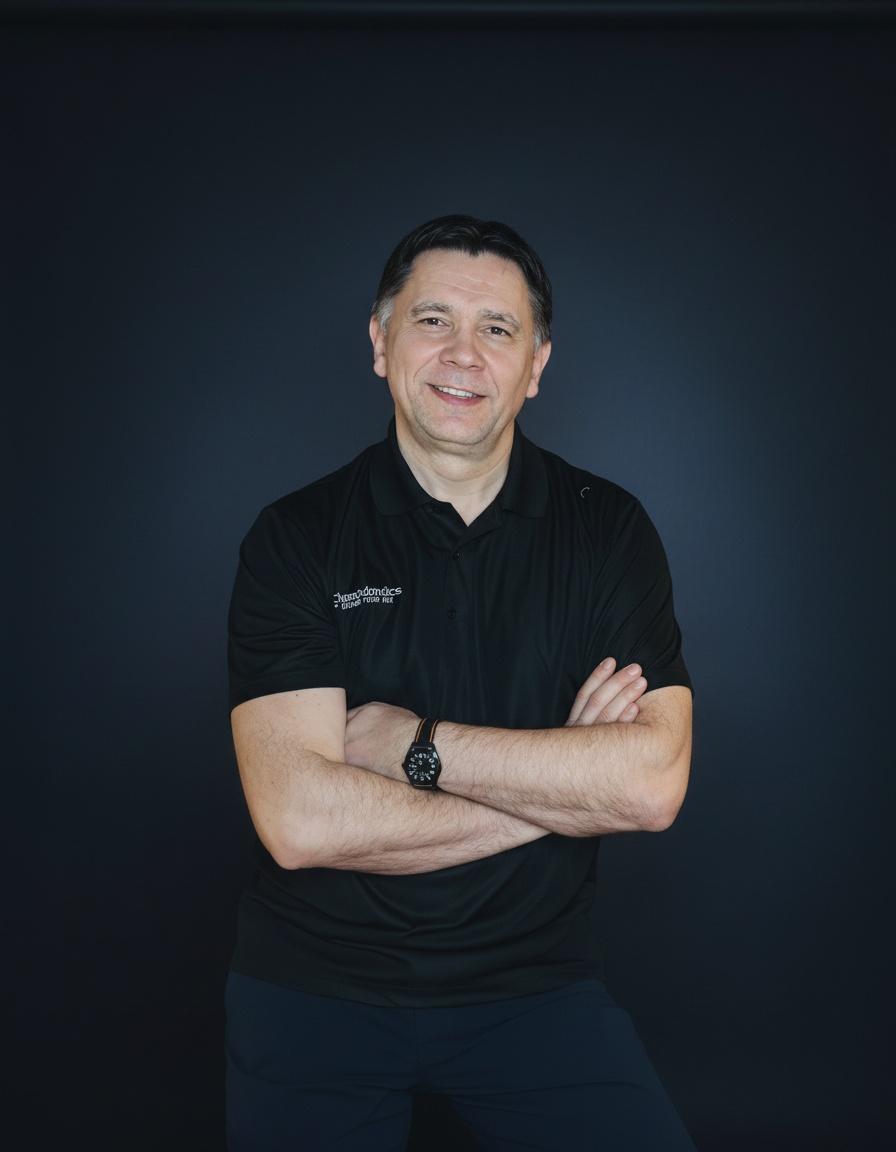
Dr. Vladimir Pastouk, airway dentist and creator of Glossodontics
Dr. Vladimir Pastouk, DMD, NDAirway dentistry and Glossodontics®
The structure behind every breath

An airway dentist who created the method he presents to peers.

Dr. Pastouk treats the airway as structure, not an afterthought. He created Glossodontics®, the method for redeveloping the airway and the space behind the tongue, and presents it to other clinicians.

He reads the jaw, the palate, the tongue, and the airway you can measure on a 3D CBCT scan, not estimate, alongside Dr. Skeens, in one room.

Why nothing has added up

Read as separate symptoms, it never resolves. Read as one system, it does.

Fatigue goes to one office, the jaw to another, the labs to a third. No one compares notes. Aligness reads systems, not symptoms, so the airway is read against your whole picture instead of in isolation.

Medicine in silos

Sleep clinic sees the study Dentist sees the teeth Primary care sees the labs No one reads the airway

One room, one read

Airway-trained dentist reads structure Eye surgeon reads whole-body signals Oxygen and sleep read together You leave with one next step
The mechanism, in plain language

It starts at the tongue, and it does not stay there.

The tongue has a real job: support and widen the palate, drive nasal breathing, and help the face and jaws grow into shape. When it cannot do that job, the effects travel. Glossodontics® works the chain from the start instead of chasing it at the end.

Step one

The tongue

A restricted tongue cannot rest where it should or drive easy nasal breathing. The release frees it to do its real work.
Step two

The airway

With the tongue freed, the channel at the back of the mouth and throat is given room to open.
Step three

The jaw and arches

The arches can be widened and redeveloped, so the jaw and palate find a calmer, more balanced position.
Step four

The face

Nasal breathing and a balanced jaw are the foundation the face and posture have always been built on.

Step five

The energy

Easier breathing at night may be linked to deeper rest, steadier energy, focus, and mood.
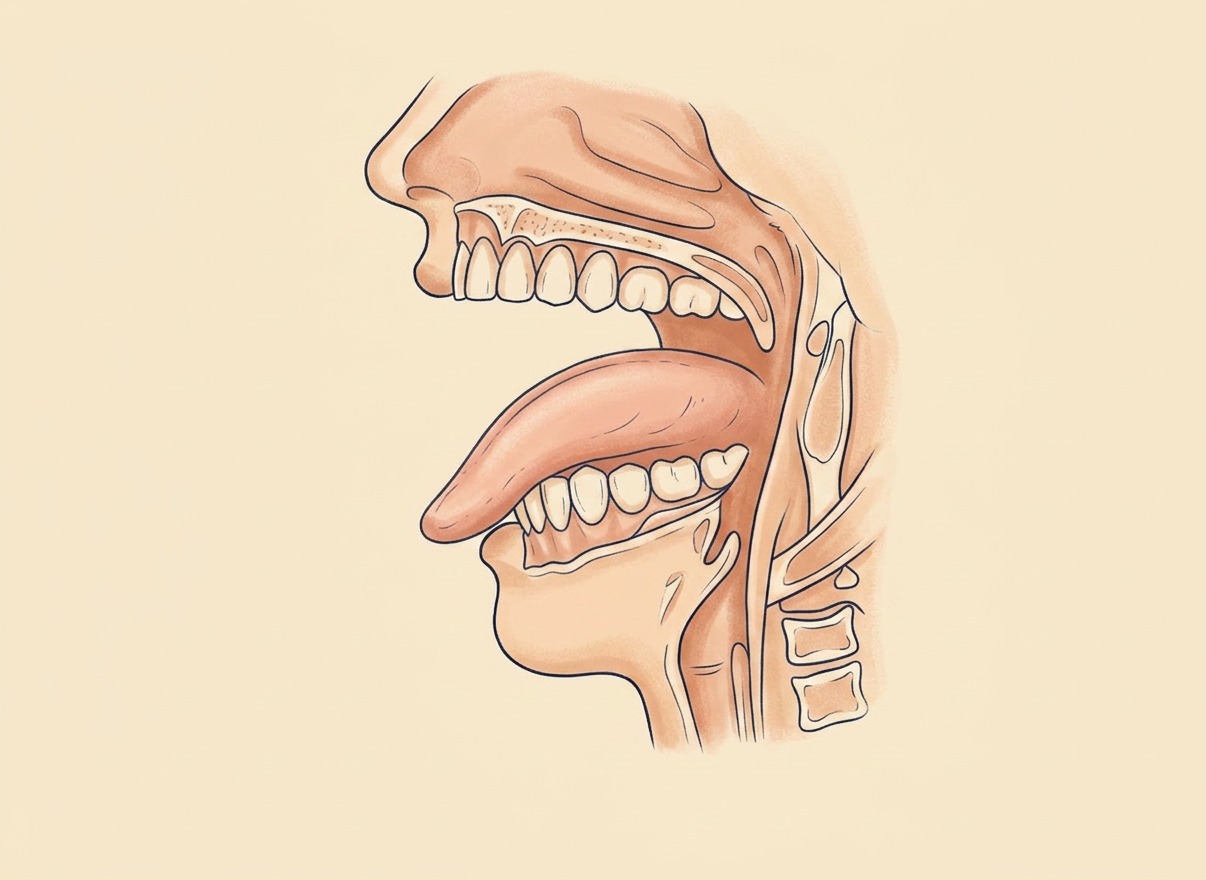
Anatomical cross-section of the mouth, tongue, and airway in profile
The tongue sets the chain in motion Free it first, then the airway, jaw, and face are given room to redevelop.

Procedures don’t heal patients. Physiology does.

Why the results can differ

A release is only the start. The body still has to heal well.

A plain procedure ends at the cut. Glossodontics® is built around the healing, so the body is supported through recovery, not just released.

Ozone, at the site

  • Ozone therapy is used to support a cleaner, calmer healing environment around the work
  • The idea is to help the tissue settle, rather than leaving recovery to chance
  • This is the concept only. The protocol stays in the room with the doctors

Nutritional IV support

  • Nutritional IV support is built around the procedure to back the body through recovery
  • Healing draws on the whole system, so the whole system is supported
  • Again, concept only. Timing and contents are decided privately, never published
Proof, not promises

The airway you can actually measure.

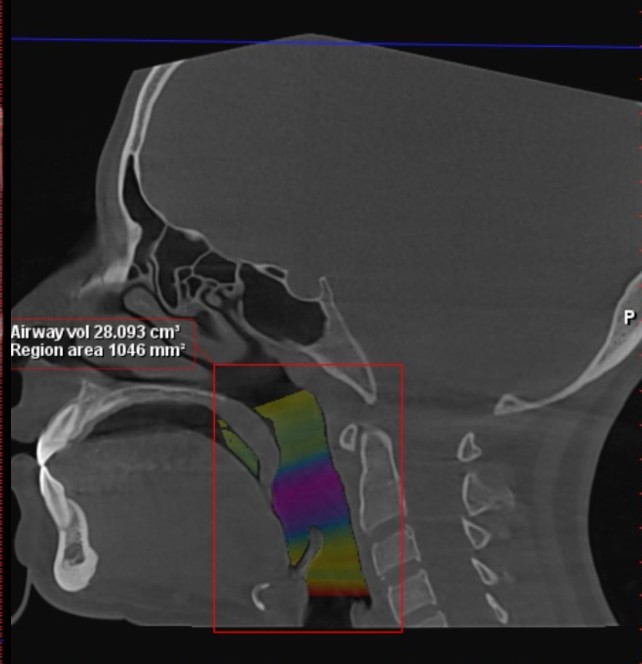
One patient’s airway on a 3D CBCT scan, before and after. Not a slogan, a volume you can read straight off the scan.
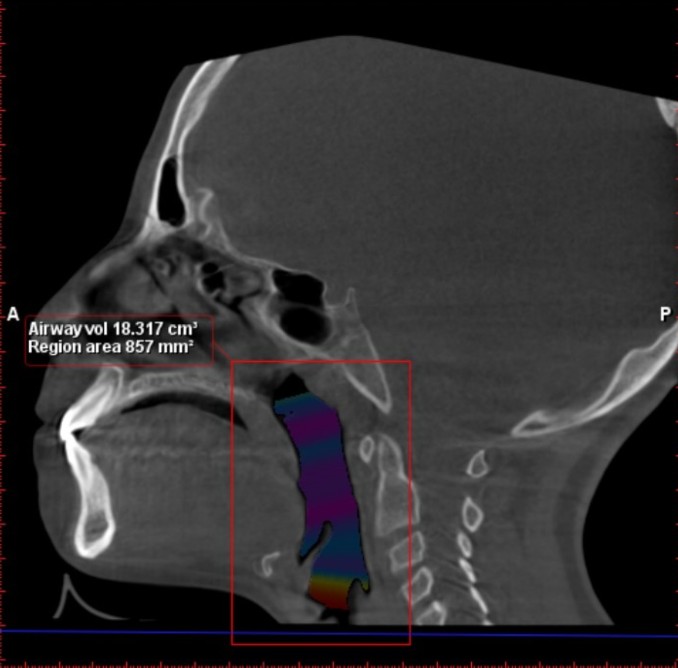
De-identified 3D CBCT sagittal airway volume, before, reading 18.32 cubic centimeters on the scan Before
De-identified 3D CBCT sagittal airway volume, after, reading 28.00 cubic centimeters on the scan After

18.32 28.00 cm³

+53% airway volume

De-identified, education only. Individual anatomy and results vary.

Airway volume increased from 18.32 to 28.00 cubic centimeters, a 53 percent increase.

The same structure, finally read in three dimensions rather than guessed.

De-identified 3D CBCT airway-volume comparison, shown for education only. Not a promise of any outcome, not a diagnosis; individual anatomy and results vary.

The same change, in the arch

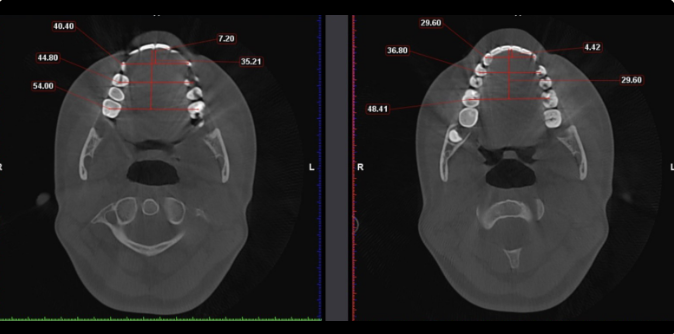
Where the airway opens, the arch widens.

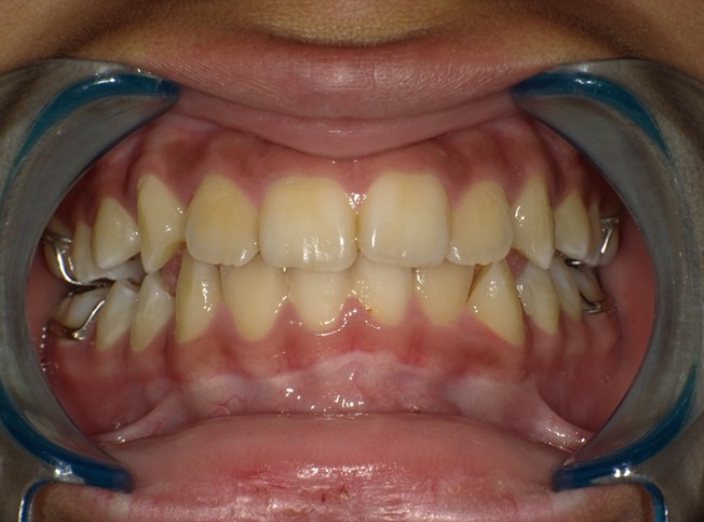
The airway does not change in isolation. As the arches are redeveloped, the upper and lower jaws are given room they did not have before.
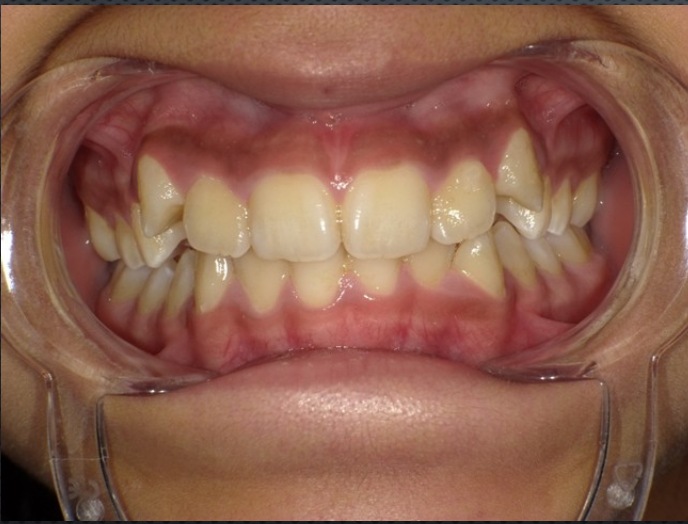
De-identified intraoral photo, before, showing a crowded dental arch and biteBefore
De-identified intraoral photo, after, showing a widened, more aligned archAfter
De-identified axial CBCT showing upper-arch width measurements before and after redevelopment Before After, widened

Grinding and clenching are often the jaw bracing against a tight airway. Give the airway room, and the jaw has less to fight at night.

Clenching and grindingA jaw that clamps and grinds through the night, often without you ever knowing.
A sore, tight jawWaking with an aching jaw or temples, or teeth that quietly show the wear.
It eases as the airway opensWith more room to breathe, the jaw has less reason to brace, night after night.
The part most doctors never open

The mouth is structure, read like a map of the airway.

The shape of the upper arch, the room behind the teeth, and where the tongue can rest all shape how easily you breathe. It is the structural read a standard workup is not trained to make.
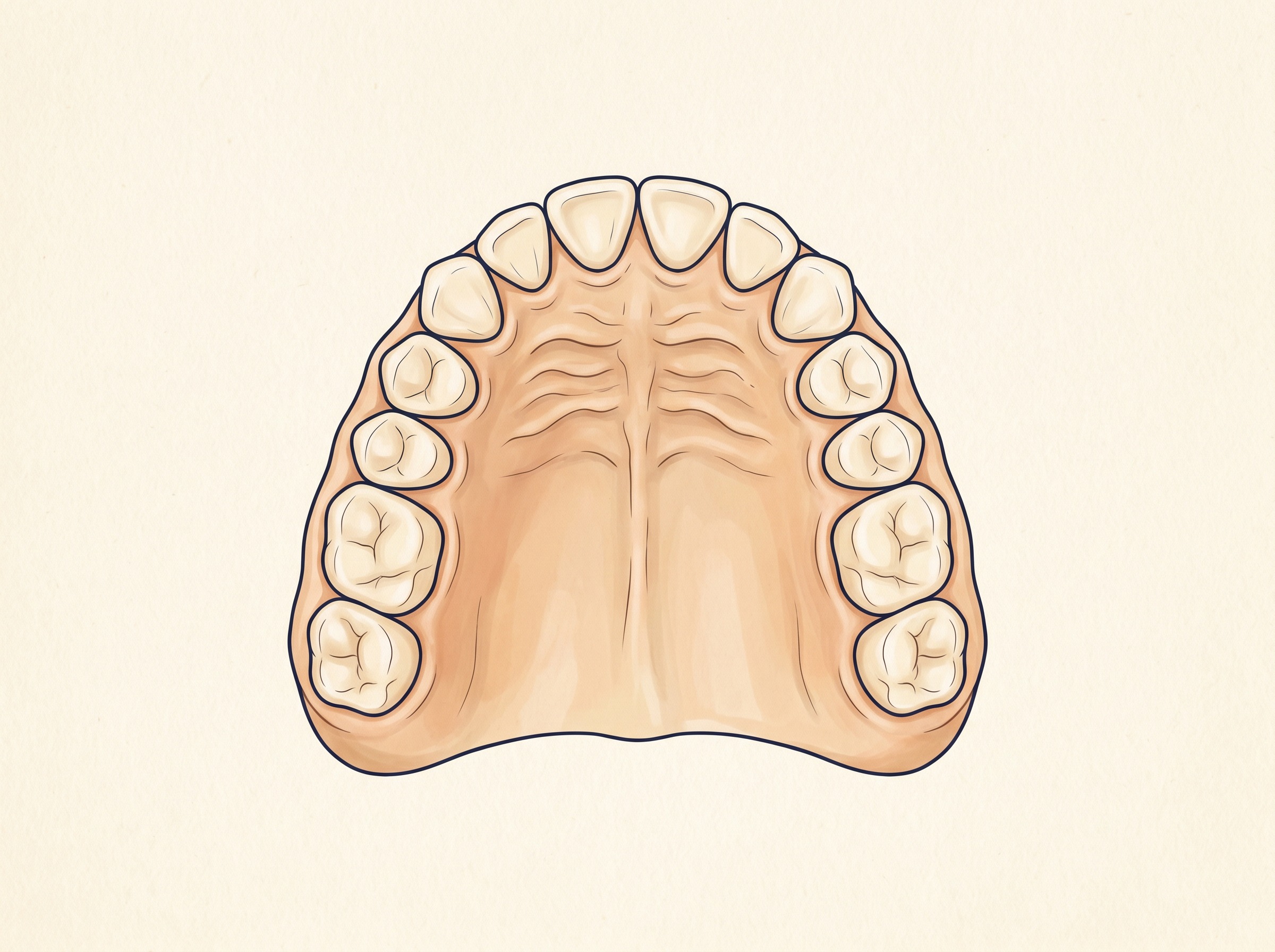
Editorial illustration of the upper dental arch and palate, the structure an airway dentist reads
The upper arch, where the airway begins

A narrow, crowded arch leaves the tongue no room and crowds the airway behind it. Widen and redevelop the arch, and the tongue, jaw, and airway are given the space they were built to have.

  • Arch and bite
  • Room for the tongue
  • The airway behind it
Not a side project

The method other clinicians come to learn.

Both doctors present this work to other clinicians at national conferences, under one banner: eye, dental, and functional medicine, read as one body.
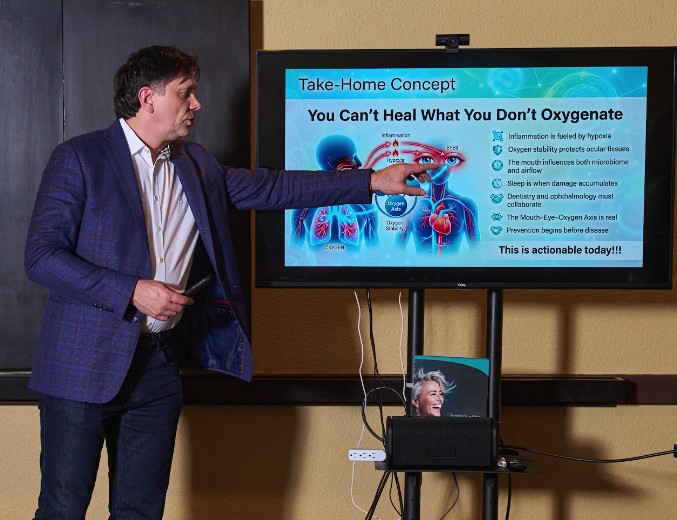
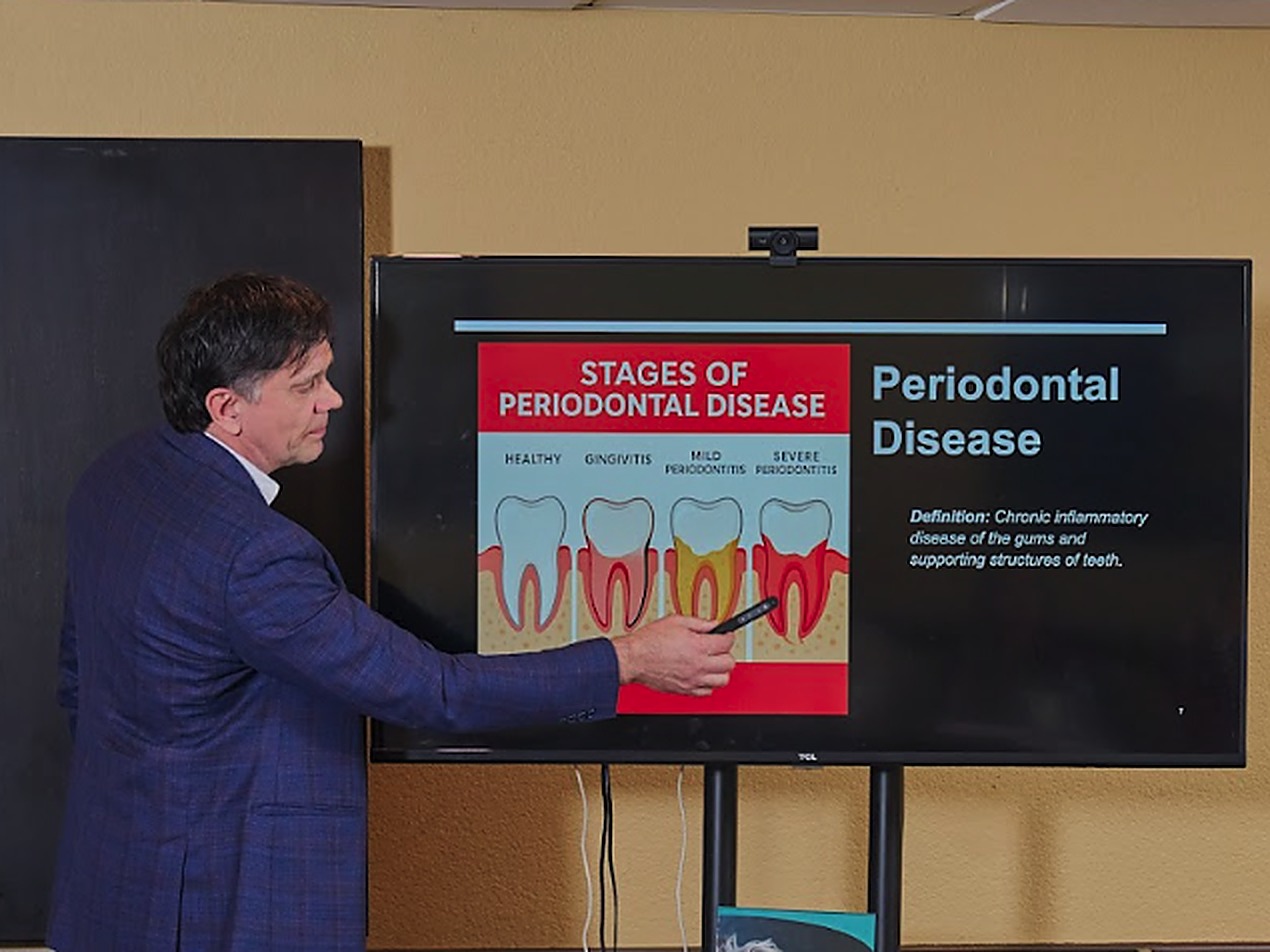
Dr. Pastouk presenting the mouth-eye-oxygen concept to clinicians at a conference
The take-home concept, on stage
Dr. Pastouk and Dr. Skeens chairside at the conference
Chairside, at conference
Who this tends to be for

When the airway is in the picture, it rarely shows up only as snoring.

These signs usually get treated one at a time, in different offices. Read together, a pattern can emerge.

Often described this way

  • Tired no matter the hours: eight in bed and still drained
  • Still wrecked on CPAP: the study, the mask, and rest still does not land
  • Snoring or dry mouth: mouth breathing at night, dry in the morning
  • Morning headaches that fade as the day goes on

And often alongside

  • Brain fog: low focus and energy that coffee does not fix
  • Restless, broken sleep that never feels deep
  • Grinding or TMJ tension: clenching and a tight, sore jaw
  • Normal labs, still unwell: every panel reads fine, you feel at 60%
Where we draw the line

What this is, and just as importantly, what it is not.

An honest practice is clear about its edges. So you know exactly what you are applying for, here is where we stand.
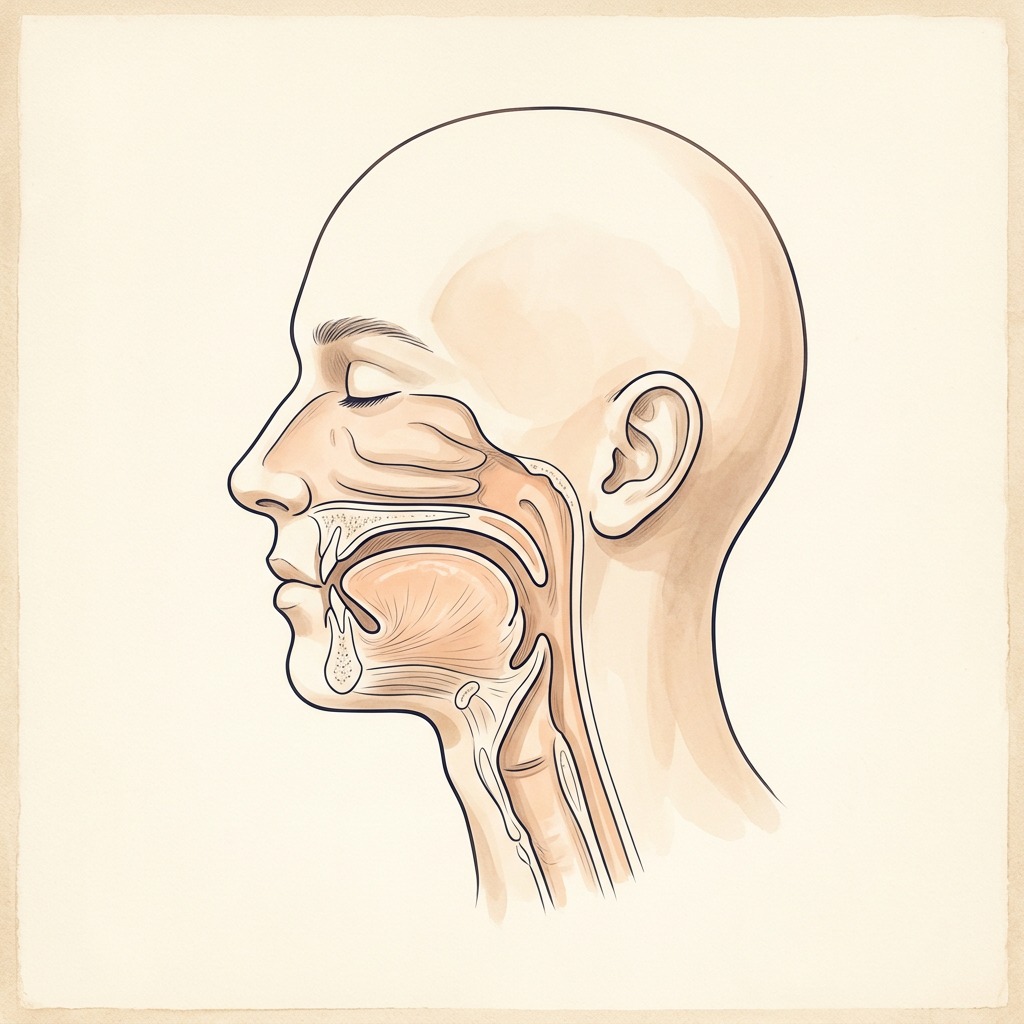
An open airway read as the whole structural picture

This is

  • An educational, integrative consultation where your airway is read alongside your whole picture
  • A method, Glossodontics®, that releases the tongue then redevelops the airway, jaw, and face
  • A chance to see real, measured structure and decide, with two doctors, what is worth doing next
  • A path to the right next step, including a referral when that is the honest answer
A clinical exam, which this consultation does not replace

This is not

  • A diagnosis of sleep apnea or any other condition
  • A replacement for your physicians, your sleep specialist, or sleep medicine
  • A claim that your airway causes your fatigue, your fog, or anything else
  • An anti-CPAP message; we work alongside it, not against it
  • A promise of a specific result; every airway and every person is different
One room. The whole picture.

If you are still tired and no one has read your airway, start there.

Bring your sleep, your energy, and everything you have already tried into one room with two doctors who know how to read them together. You leave with one clear next step.